
From the world's first CGI music video in 2001 — through the UK Government's Avatar Lab, a BAFTA-winning drama, an Academy Award nomination, the biggest EDM festival on Earth, a 1-million-headset VR project, an Emmy, a TIME Magazine cover, and the 2026 launch of VALIS AI. A continuous line.
Peter produced Wired, a 20-part UK television series on contemporary music culture broadcast on Channel 4. Two landmark episodes anchor the series' legacy.
The Joy Division feature was broadcast 1 July 1988 and subsequently released by Factory Records as FAC 211 — the canonical band documentary featuring Tony Wilson, Peter Hook, Bernard Sumner, Stephen Morris, Rob Gretton, Alan Erasmus, and Paul Morley, with a rare statement from producer Martin Hannett. Released concurrently with FACT 250 (Joy Division's Substance compilation), the documentary sits in the Factory Records catalog alongside Blue Monday (FAC 73) and the Haçienda nightclub (FAC 51).
The Michael Jackson Rome special was filmed during the 1988 Bad Tour — Wired was the only documentary crew granted filming permissions on one of the most tightly-controlled tours in music history. The 17-minute piece featured on-camera interviews with Quincy Jones, former VP of Epic Records and Jackson's manager Frank DiLeo (instrumental in shaping Jackson's "King of Pop" career), and Michael's backing vocalists and dancers — including Sheryl Crow (then a backing singer, five years before her solo career broke through). Palazzos, horse-drawn carriages, a lake on fire.
Other episodes in the 20-part series covered the birth of Acid House, Nina Simone, Brian Wilson, Iggy Pop, Guns N' Roses (LA special), and Prince (concert film).
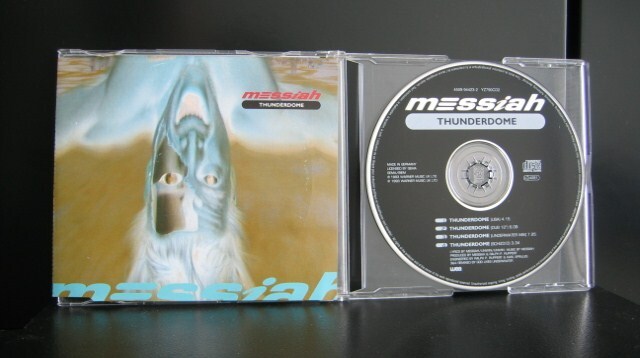
Five years after Wired, Peter flew to Santa Cruz on commission from Rick Rubin's Def American label to direct Thunderdome for Messiah — a groundbreaking music video produced at the virtual reality studio behind The Lawnmower Man (1992). The video integrated multiple emerging camera and VFX technologies and featured the ethnobotanist and cyberculture philosopher Terence McKenna.
The project marked Peter's first direct immersion in frontier virtual-reality production. The technical and creative instincts developed there directly shaped how he approached building CREATEC at the turn of the millennium. Released in two publicly-available cuts: the uncensored original version and the official single remix.
In 1998, Peter became Head of Production at CREATEC — the Creative Arts & Technology Centre founded that year by Lord David Puttnam at Ealing Studios. CREATEC was the bridge institution between the National Film & Television School and Puttnam's plan to eventually relocate the NFTS from Beaconsfield to Ealing. A €100M UK Government allocation was matched by an equivalent commitment from tech investors including Microsoft and Silicon Graphics — a combined ~€200M initiative to build the UK's first Avatar (Synthespian) Lab, pioneering virtual humans, volumetric capture, and the face-replacement techniques that would later be known as deepfake, two decades ahead of their time.
Under Peter's production leadership, CREATEC became the laboratory for three consecutive landmark projects that established the virtual-character and virtual-production vocabulary he would continue developing for the next 25 years.
The three projects share a common thesis — that photorealistic digital humans could become creative collaborators with iconic artists, not just technical achievements. That thesis would become VALIS studio's founding idea more than two decades later.
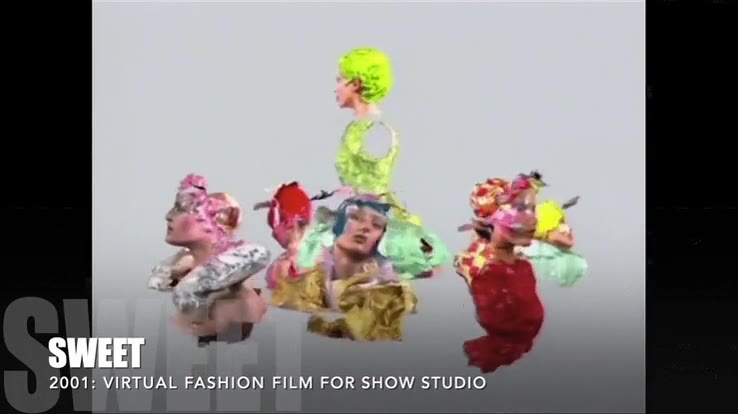
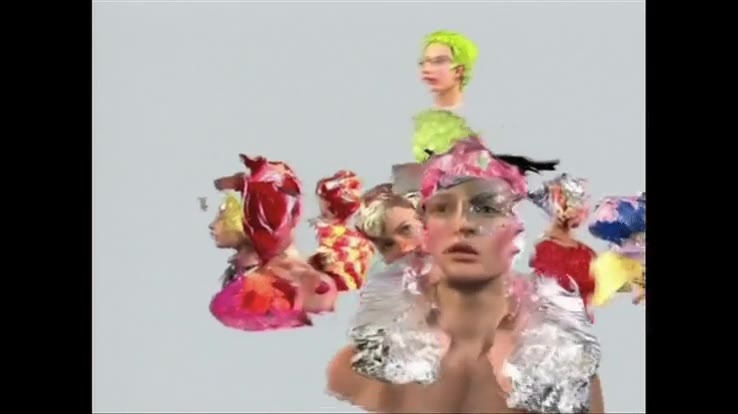
In 2001 Peter co-founded Zeppotron with Charlie Brooker and others, building on the pioneering technology developed at CREATEC — work that would later be recognized as foundational to what became known as deepfake techniques. Zeppotron was acquired by Endemol (the production house behind Big Brother) in 2006, and continued to develop Brooker's programming ideas that culminated years later in Black Mirror.
The landmark early Zeppotron project was Charts of Darkness (2001) — a mockumentary featuring Gorillaz. Peter connected Gorillaz to Zeppotron for the piece, which began a decade-long creative partnership with Gorillaz co-creator Jamie Hewlett (and his long-term creative collaborators Mat Wakeham, Glyn Dillon and Cass Browne) spanning multiple film developments, including a long-gestating feature-length Gorillaz animated film. The partnership culminated in Phoo Action (BBC Three, 2008) — a live-action adaptation of Hewlett's Get the Freebies comic, which won a BAFTA for Best Interactive Innovation.
Parallel to Zeppotron, Peter became a co-founder of Done+Dusted Films — the film division of Done+Dusted, the global live-broadcast company founded by Hamish Hamilton, Ian Stewart, and Simon Pizey — partnering with Hamilton on film and screenplay development. His defining Done+Dusted credit: Producer on the 2003 Victoria's Secret Fashion Show, the first televised edition on CBS. Under the new distribution deal, the production pivoted from traditional beauty-pageant conventions toward live-music spectacle, with performances from Sting and Mary J. Blige woven through short brand documentary segments. The format defined Victoria's Secret's televised presence for the next two decades.
Peter also collaborated with Angus Aynsley's Almega Projects, directing and producing Lee Mingwei's "Gernika in Sand" (a short film reconstructing Picasso's Guernica in sand) and co-producing Andy Goldsworthy's "The Berrydown Cairn". The Almega thread began with a short film Peter was directing about Brazilian artist Vik Muniz — a project that evolved into the feature documentary Waste Land, with Peter hiring Lucy Walker to direct and stepping into the Co-Producer seat for Almega. A through-line that kept him alongside the artists and institutions that would later define Chapter 04.

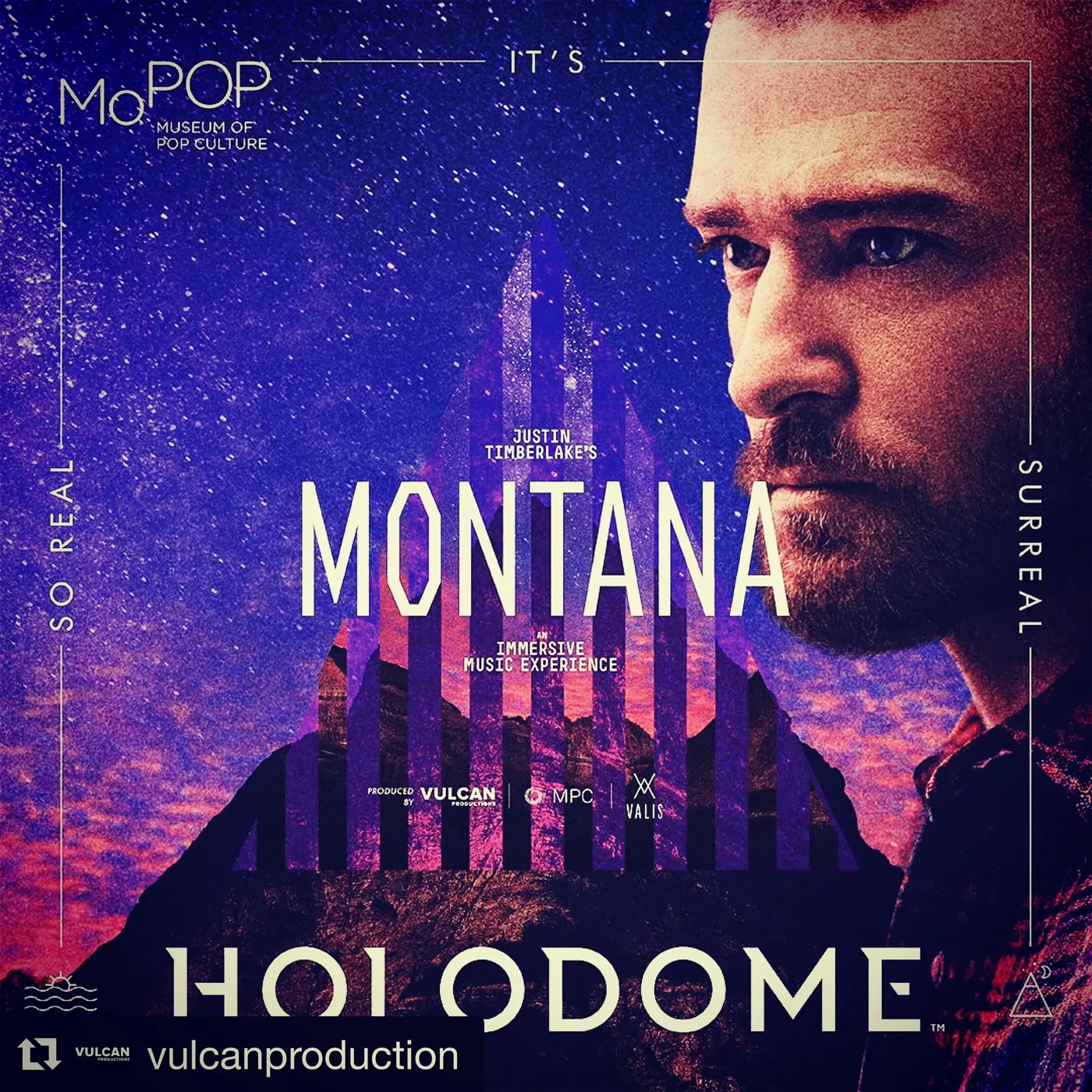
VALIS founded in Los Angeles. The studio's first commercial statement was also an industry first — a live holographic duet between two pop artists performing in two cities simultaneously, each appearing as a hologram on the other's stage.
The year after, VALIS used the same virtual-character infrastructure to deliver a fully-CGI fashion narrative for a global brand — proving the tools worked equally across live concert, broadcast, and branded-content formats.
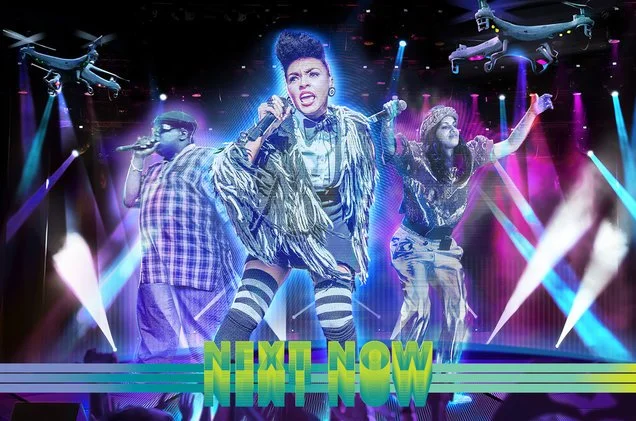
In 2014, Peter joined SFX Entertainment as Head of SFX Studios — the in-house content division of the global live-electronic-music company behind Tomorrowland and Beatport. There he created the Virtual, Experiential, and Immersive content programme that built the visual identity of EDM culture at scale. Festival partnerships with Tomorrowland, Mysteryland and Electric Zoo. A two-week Ibiza production delivered a short VR-film series across the SFX artist roster — Steve Aoki, Claptone, and Dimitri Vegas & Like Mike. The Claptone collaboration grew into the complete 90-minute live visual identity for Claptone's "Immortal" tour — 10–12 directed pieces, one for every song in the setlist.
And, in Ibiza — two speedboats to Es Vedrà, the magnetic island where Steve Aoki wanted to cliff-dive. The cameraman jumped with him, VR rig in hand, and kept filming underwater. That night, Aoki's headline set at Pacha. Sister pieces in the same SFX Ibiza format followed with Dimitri Vegas & Like Mike — daytime buggy adventure, nighttime festival capture.
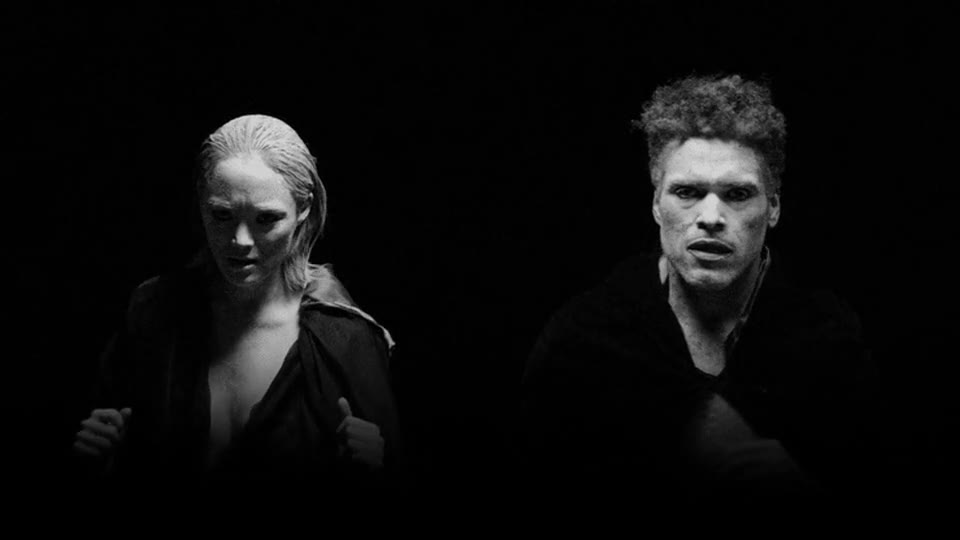
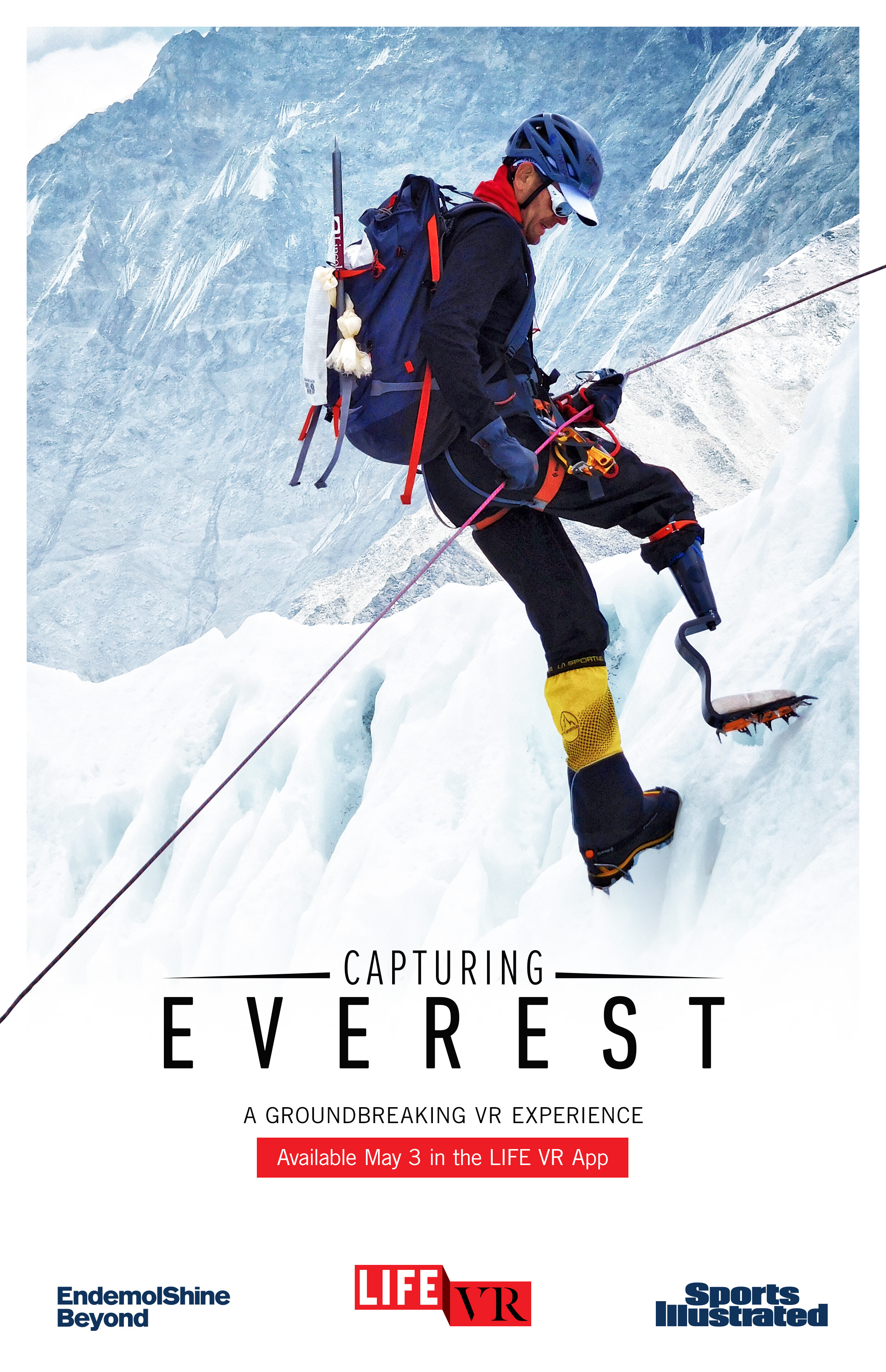
Four years of long-form immersive work for the institutions that defined the VR era: The New York Times, Sports Illustrated / LIFE VR, Paul Allen's Vulcan, and the Smithsonian. Emmy-winning documentary work. Over a million VR headsets distributed on a single commission.
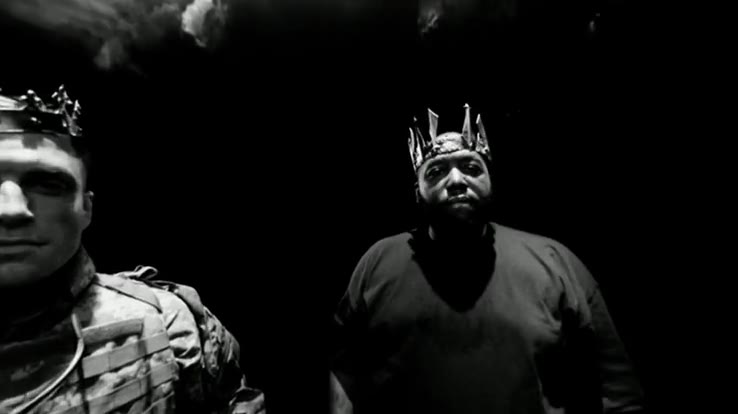
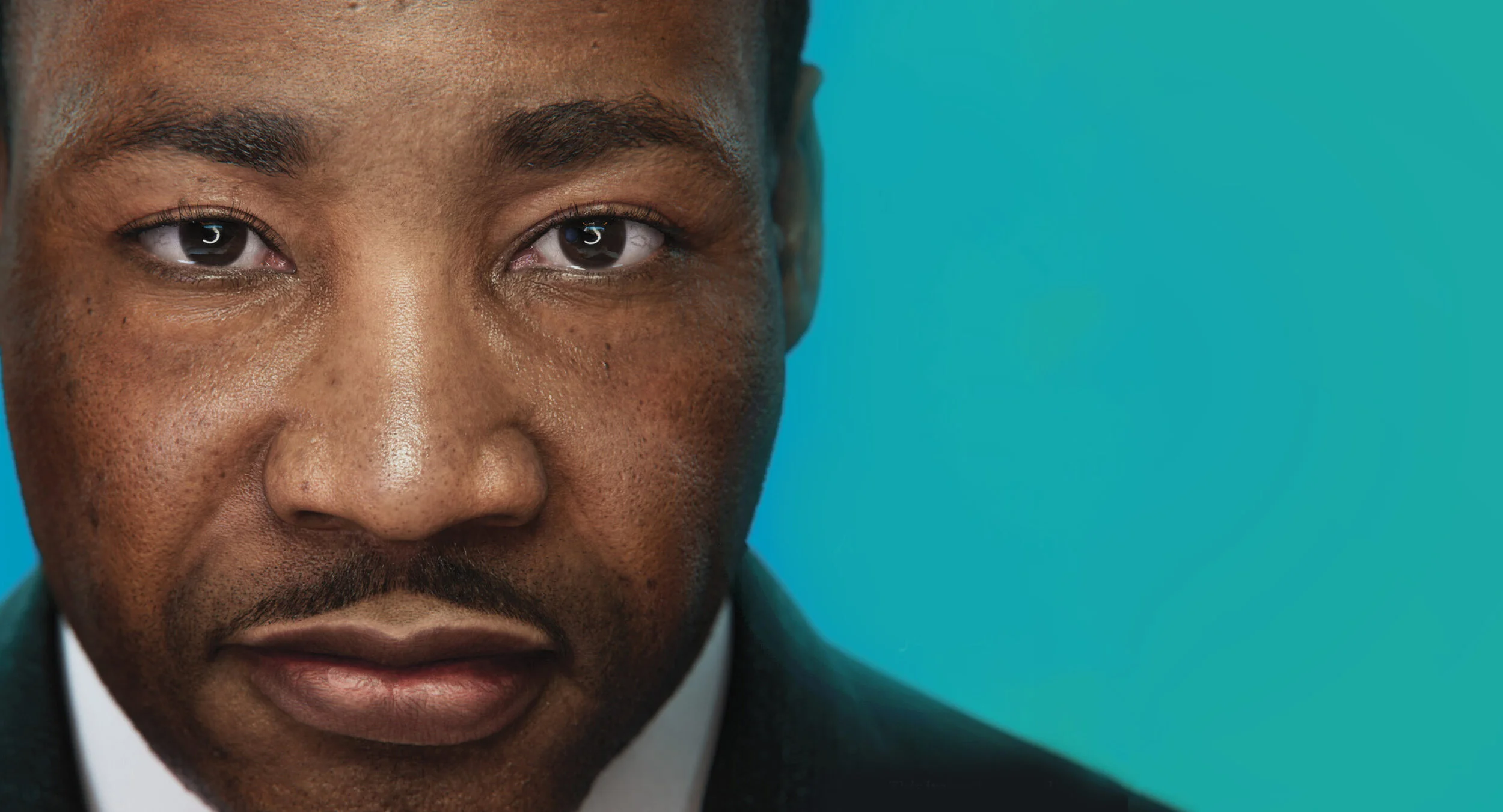
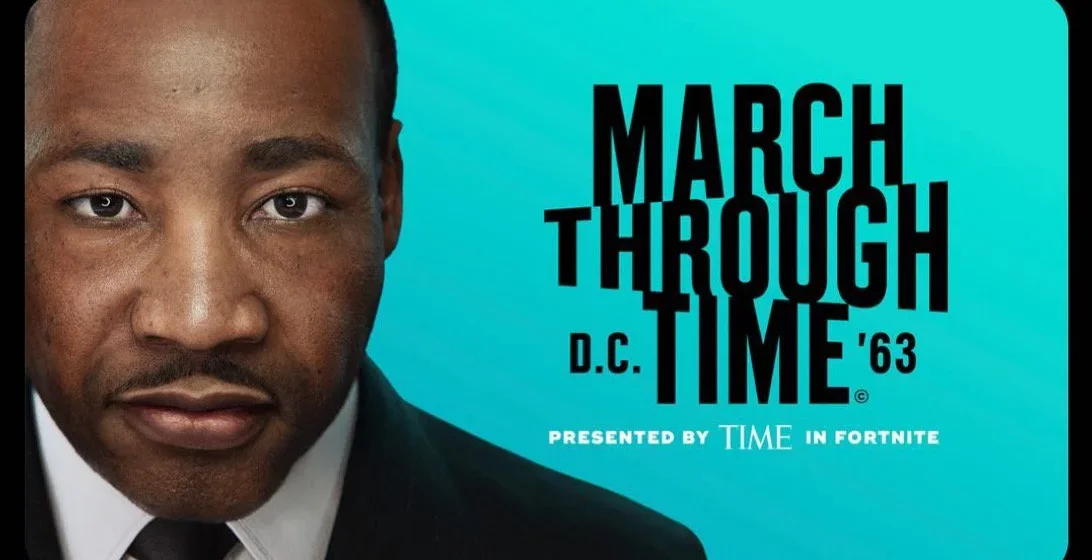
The March — Martin Luther King Jr. × TIME Magazine. Produced by VALIS studio with Digital Domain and Juvee. The first VR experience to virtualize Dr. King's "I Have a Dream" speech — placing viewers in the crowd at the March on Washington, 1963. Featured on the cover of TIME.
The creative and technical pinnacle of the pre–VALIS AI era — the project that established the definitive playbook for respectful, estate-authorized digital resurrection of iconic cultural figures. The only virtual human ever featured on the cover of TIME. TIME Magazine also published an editorial feature, Recreating an Icon in Virtual Reality, documenting the cover story's making.

Two anchor credits frame this era. HARMAN ExPlore: a virtual-production commission shot at the end of 2020 on a pioneering virtual production stage and broadcast at CES 2021. ICON produced the live "MOVE" video content — and hired VALIS as the virtual-production and VFX studio to build the virtual car ("the buck"), the virtual stages, and the CG environments that wrapped the full 35-minute broadcast. Three directed ExP concept films anchored the show: Gaming Intense Max, Creator Studio, and Drive-Live Concert.
And KingShip: the first virtual hip-hop group signed to a major record label. Launched by Universal Music Group's metaverse imprint 10:22PM, the group's four characters are licensed from the Bored Ape Yacht Club NFT collection (Yuga Labs). Peter consulted on the project through VALIS, commissioning a roster of artistic collaborators to realize the virtual group's creative identity. The work sits directly upstream of VALIS AI's founding thesis — that major labels and legacy artists will increasingly partner with specialist studios to deliver complete virtual-artist productions.
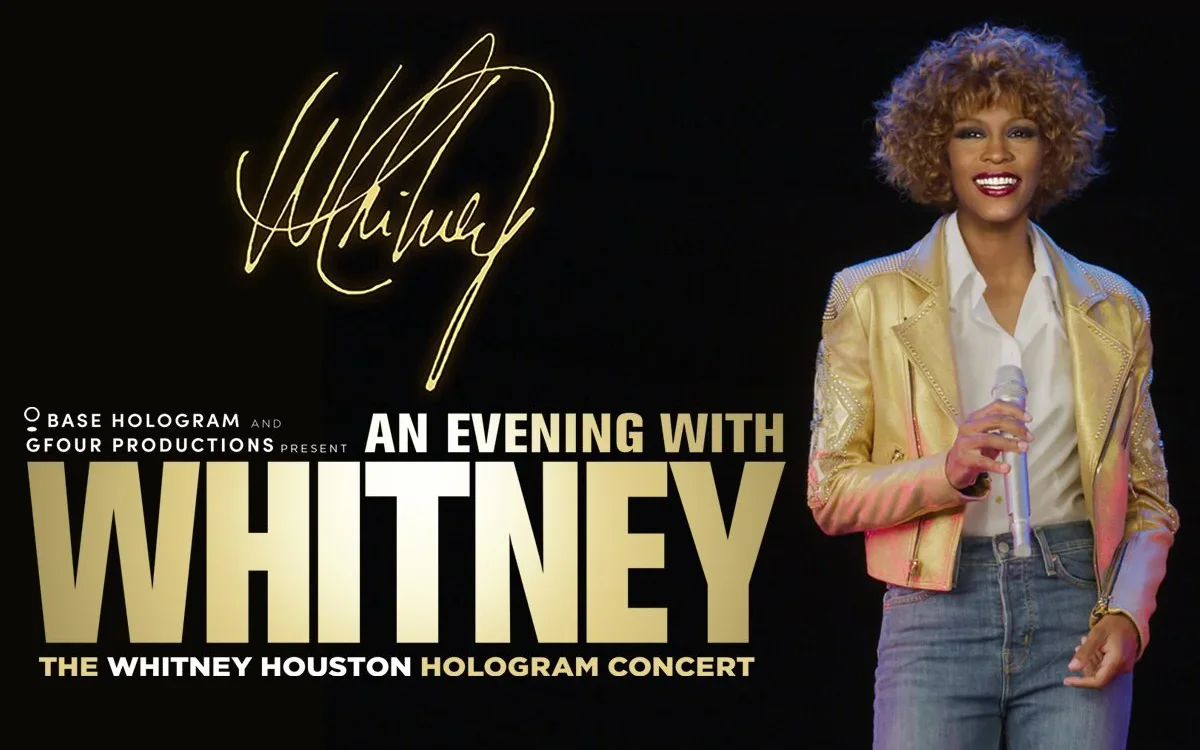

Four years embedded in the most sensitive AI avatar work in the entertainment industry. Licensed digital avatar productions for major music IP holders, legacy estates, and globally recognized contemporary artists — establishing the proprietary VALIS production pipeline that now underpins VALIS AI.
Selected productions delivered in this period include licensed AI avatars for:
Each production was delivered under direct commission from the talent, their estate, or the rights-holding entity — with full licensing, talent approval, and legal frameworks in place.
VALIS Studio is a whitelisted production partner on ElevenLabs (Iconic Voices Marketplace), HeyGen, and Tavus — the industry's primary platforms for licensed digital avatar production.
Selected work from this period is shown privately to qualified partners under NDA. Request access →
Three ventures founded or co-founded alongside VALIS Studio operations — each addressing a distinct frontier of the virtual-artist economy.
A next-generation creative studio building premium brand activations at the intersection of technology, talent, and culture. FTR's anchor client is Adidas — for whom the studio architected the brand's NFT strategy and launched the Adidas FUTURE product line.
Co-founded with Nabil Elderkin — Grammy-nominated music video and film director (Kanye West, Travis Scott, John Legend, Bon Iver, The Weeknd) — alongside a partner group of established producers, creative directors, and a strategic capital partner.
Peter holds founder shares.
Co-founded with artist Krista Kim. A metaverse platform with a focus on wellness, digital humanism, and education, introducing the ØRB System for interoperable spatial content. Peter's involvement ran 2022–2023.
A new category of permanent immersive holographic concert venues. OM combines generative AI content creation, real-time interactive avatar performance, and proprietary LED-based immersive venue technology to enable iconic artists — living, legacy, or otherwise — to perform live in their prime, forever.
Co-founded with the founding and creative team behind Obscura Digital (acquired by The Madison Square Garden Company in 2017) and Minds Over Matter — a thirty-year lineage of pioneering large-scale immersive media:
The team's combined credits include MSG Sphere (Las Vegas, design lead), Al Wasl Plaza at Expo 2020 Dubai (the world's largest interactive immersive dome — Guinness World Record), The Vatican — Fiat Lux (projection mapping for Pope Francis' climate encyclical), the Sydney Opera House YouTube Symphony, Sheikh Zayed Grand Mosque Abu Dhabi, the Empire State Building, AT&T / Dallas Cowboys Stadium, the Coachella Antarctic Dome, MGM Cotai Windows of the World, the Grateful Dead — Fare Thee Well 50th anniversary concerts, and YouTube Brandcast stage design (Jay-Z, Pharrell, Janelle Monáe, M.I.A., Macklemore).
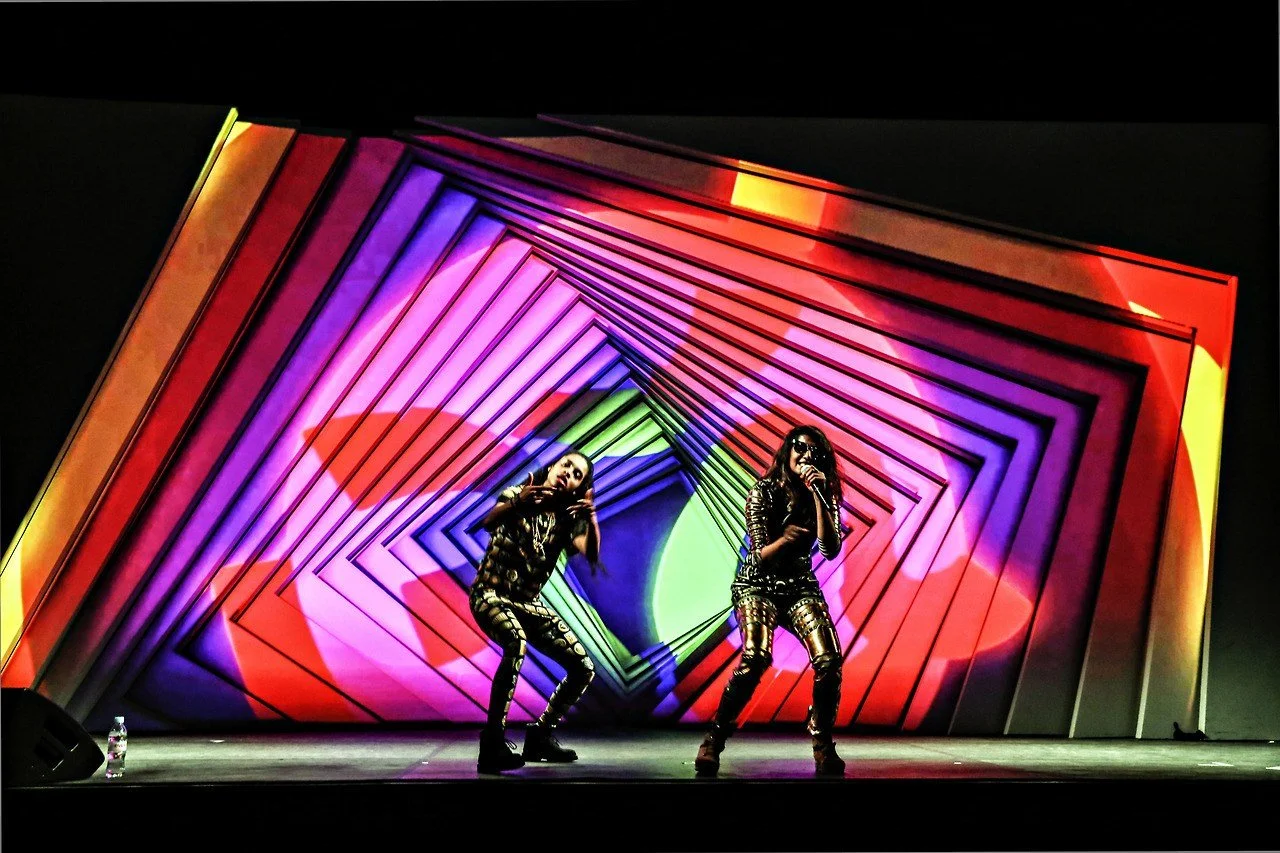
The Obscura Digital team previously partnered with Peter on the M.I.A. × Janelle Monáe holographic duet (Audi A3, 2014) — the world's first live, bi-coastal holographic concert — establishing a 12-year working relationship that now anchors OM's go-to-market.
Peter holds founder shares and serves as an active advisor.
Twenty-five years of virtual human R&D — from CREATEC's Avatar Lab (1998) to the TIME Magazine cover (2020) to the confidential avatar productions of 2023–2026 — converging into a new company dedicated to production-grade AI avatars of iconic artists, IP holders, estates, and educators.
Working pilots are currently in active production with multiple legacy talent partners under NDA. The pilot template establishes our baseline onboarding framework for premium, interactive legacy digital doubles.
Same obsession. New instruments.
In 1981, Philip K. Dick imagined VALIS — a vast, divine intelligence transmitting knowledge into the human mind via pink laser beams, piercing a Black Iron Prison of sensory illusion to show people reality as it truly was. He was 40 years early. Today the signal he imagined is indistinguishable from the internet, from artificial intelligence, from algorithmic suggestion reaching into every brain on Earth. A holographic universe. The prison he warned about — a world of manufactured, manipulated, deepfaked reality — is no longer a metaphor.
We named the studio VALIS because the virtual humans we build sit on exactly that line. They can deceive, or they can illuminate. They can be weapons of manipulation, or instruments of craft — extending iconic artists across time, language, and space, preserving legacy, enabling new creativity, and reshaping what a "live" performance can be in an age of avatars.